Promote Sustainable Livelihood
Empowering local community resilience through fair, independent,
and sustainable management of strategic assets.
Realizing Resilience, Weaving a Sustainable Future
Kawungpitu Institute is a community independence driving institution dedicated to transforming community livelihoods through the Sustainable Livelihoods Framework (SLF) approach.
Kawungpitu Institute is here to bridge local potential with inclusive and climate-resilient development strategies, focusing on strengthening community capacity to manage their resources sovereignly.
"Sustainable livelihood is the ability of a community to recover from shocks and maintain resilience."
Working Pillars
Kawungpitu Institute believes that sustainable livelihoods can only be achieved if communities have access and control over various vital capital. Kawungpitu Institute adapts the framework of the Department for International Development (Department for International Development–DFID) to ensure every intervention builds comprehensive resilience through:
Human Resource
Development
Improving the capabilities and quality of individuals within the community to be able to manage life challenges independently.
Our Action: technical skills training, health literacy, and leadership capacity building for rural youth and women using a critical education approach.
Goal: ensuring every individual has the knowledge and ability to innovate.
Strengthening
Social Resources
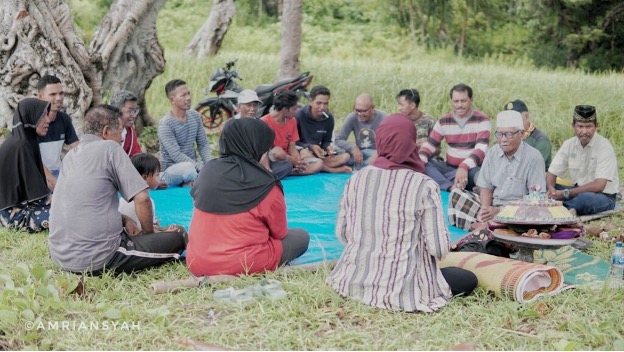
Building networks and trust among citizens as the primary social safety net.
Our Action: assistance in establishing rural economic institutions, strengthening customary/village institutions, and facilitating inter-community collaboration and partnerships with external parties.
Goal: increasing solidarity and the community's bargaining position in decision-making.
Natural Resource
Management
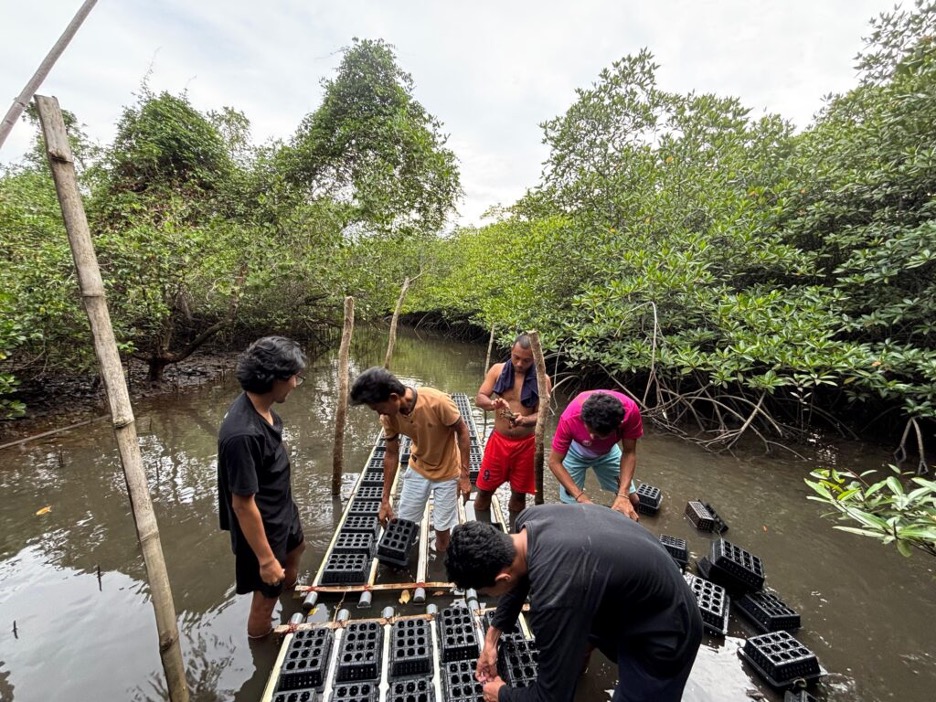
Protecting and optimizing the natural resources that communities rely on, especially in coastal and rural areas.
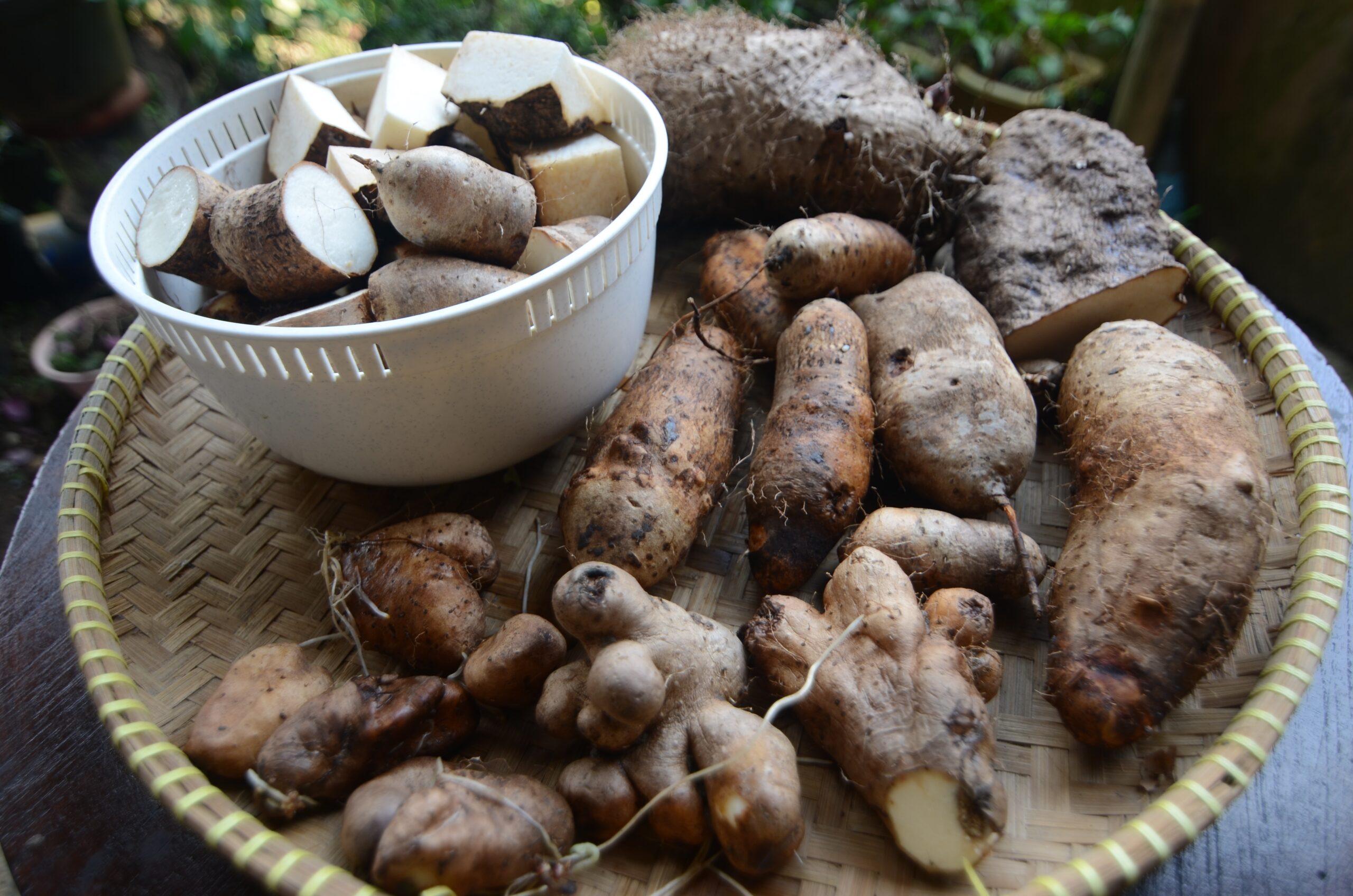
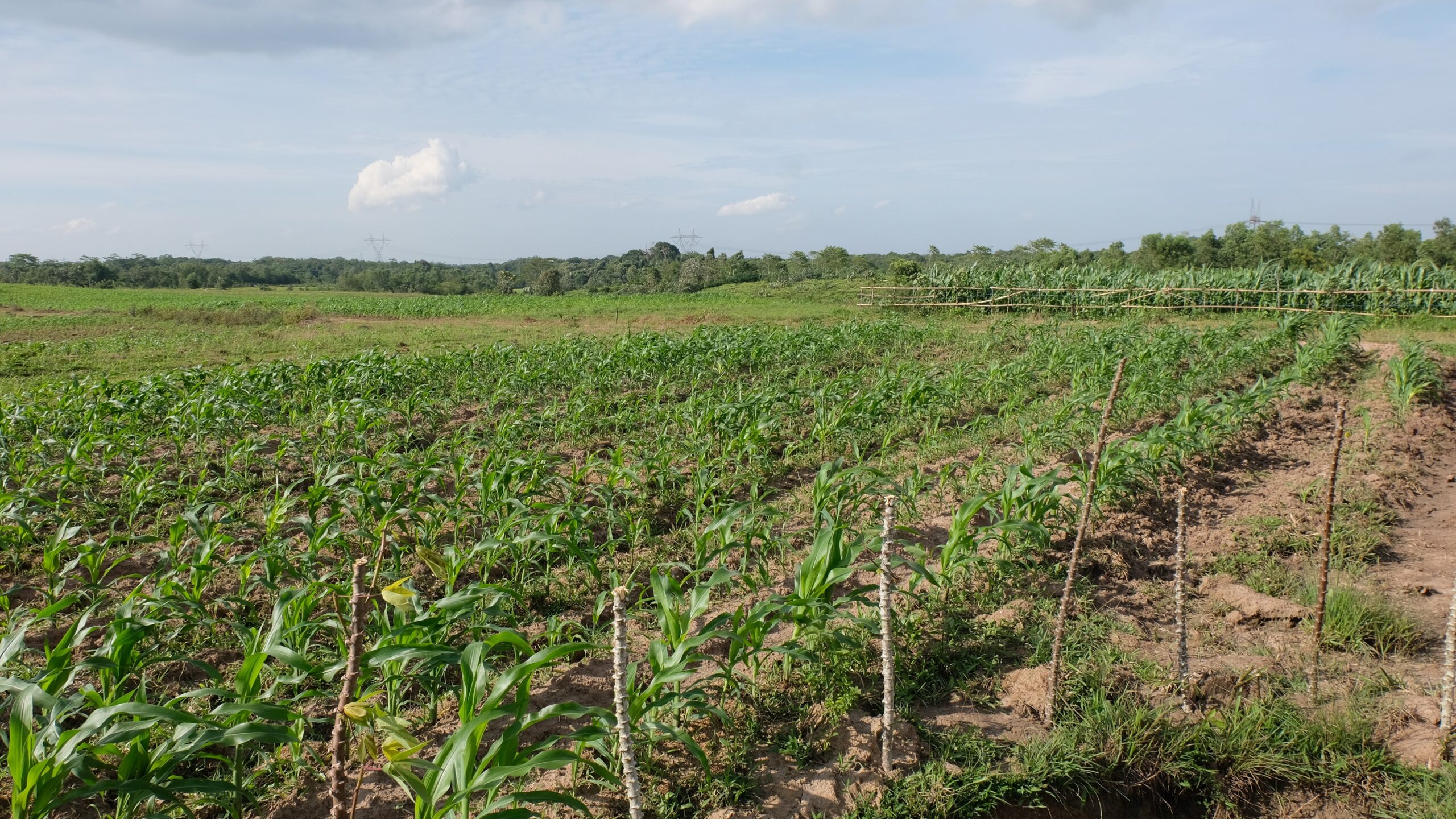
Our Action: coastal area conservation, village forest management, and sustainable agricultural practices that preserve soil fertility and water sources.
Goal: ensuring the availability and access to productive natural resources across generations.
Financial Resource
Acceleration
Encouraging the provision and maintenance of basic infrastructure that supports economic productivity and quality of life.
Our Action: initiation of independent waste management systems, access to clean water, and provision of appropriate agricultural or fishery production tools.
Goal: facilitating community access to production tools.
Physical Resource
Optimization
Increasing community access to stable funding sources and economic asset management.
Our Action: development of business units in villages, access to microfinance institutions, and diversification of income sources to reduce economic vulnerability.
Goal: building economic independence to support community resilience against market shocks.
Cross-Pillar Strategy:
Resilience to Vulnerability
In addition to strengthening the 5 assets above, Kawungpitu works at the policy and structural levels to reduce the impact of the Vulnerability Context such as climate change, natural disasters, and global economic fluctuations.
Integrative Strategy
Within the DFID framework, the five pillars consisting of Human, Social, Natural, Physical, and Financial are interconnected in the Asset Pentagon. The right intervention can improve not just one pillar, but two to three pillars simultaneously.
The following are four integrative strategies that can drive the improvement of these five pillars simultaneously, making the Kawungpitu Institute program more efficient and impactful:
Social-Enterprise Hub
How does this strategy drive the five pillars?
Community Research
How does this strategy drive the five pillars?
Climate Resilience
How does this strategy drive the five pillars?
Policy Advocacy
Ready to Collaborate?
Let's create a real impact together for environmental sustainability and community independence.
Contact Us Now